Crafting a Strong Brand Identity

Brand identity is the collection of elements that a company creates to portray the right image to its consumer.

It encompasses everything from the name, logo, and design to the tone of voice and overall messaging. A strong brand identity is crucial because it helps to differentiate a business from its competitors and establishes a connection with its audience.
This connection is not merely transactional; it is emotional, fostering loyalty and trust over time. For instance, consider how Apple has cultivated a brand identity that emphasizes innovation, simplicity, and premium quality. Their sleek product designs and minimalist marketing strategies resonate deeply with consumers who value cutting-edge technology and aesthetic appeal.
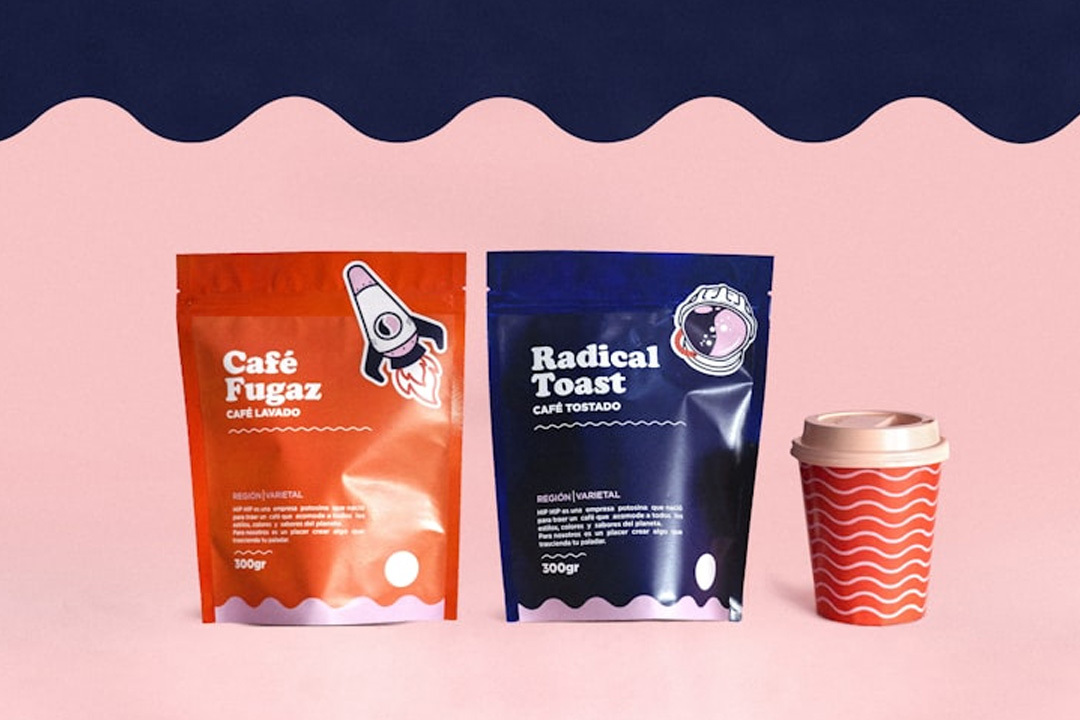
Moreover, brand identity is not static; it evolves as the company grows and as market dynamics shift. Companies must be attuned to changes in consumer preferences and societal trends to ensure their brand identity remains relevant. For example, Nike has successfully adapted its brand identity over the years by embracing social issues and promoting inclusivity through campaigns like "Equality" and "Dream Crazy." This adaptability not only keeps the brand fresh in the minds of consumers but also reinforces its core values of empowerment and inspiration.
KEY TAKEAWAYS • Brand identity is the visual and emotional representation of a brand, including its values, mission, and personality. • Defining your brand's values and mission is crucial for establishing a clear direction and purpose for your brand. Identifying your target audience helps tailor your brand voice and messaging to resonate with the right people. •Creating a unique brand voice and personality sets your brand apart and makes it more relatable to your audience. •Designing a memorable brand logo and visual identity is essential for making a lasting impression and standing out in a crowded market.
DEFINING YOUR BRANDS MISSION AND VALUES:
At the heart of any successful brand lies a clear set of values and a well-defined mission.
These elements serve as guiding principles that inform every decision made within the organization.
A brand's values reflect what it stands for, while its mission articulates its purpose in the marketplace.
For instance, Patagonia, an outdoor clothing company, has built its brand around environmental sustainability and ethical manufacturing practices. Their mission statement emphasizes their commitment to saving the planet, which resonates with environmentally conscious consumers. Defining these core elements requires introspection and a deep understanding of what the brand aims to achieve beyond profit.
It involves asking critical questions: What impact do we want to have on our customers? How do we want to be perceived in the marketplace? By answering these questions, brands can create a mission statement that not only guides their operations but also inspires their employees and engages their customers.
A well-articulated mission can serve as a rallying cry for both internal stakeholders and external audiences, fostering a sense of community around shared values.
IDENTIFYING YOUR TARGET AUDIENCE
Understanding who your target audience is essential for effective branding. This involves more than just demographic data; it requires a nuanced understanding of consumer behavior, preferences, and pain points. Brands must delve into psychographics—values, interests, lifestyles—to create detailed customer personas that guide marketing strategies.
For example, Coca-Cola targets various segments with tailored messaging, from health-conscious consumers with its Diet Coke line to younger audiences through vibrant social media campaigns. Identifying your target audience also means recognizing that different segments may respond differently to branding efforts. A luxury brand like Rolex appeals to affluent consumers who value exclusivity and status, while a budget-friendly brand like Walmart focuses on accessibility and value for money.
By segmenting the audience effectively, brands can craft messages that resonate deeply with each group, ensuring that marketing efforts are not only seen but also felt.
CCREATING A UNIQUE BRAND VOICE AND PERSONALITY
Brand Voice Consistency - 90% Engagement Rate - 5% Brand Personality Alignment - 80% Customer Recognition - 70%
A brand's voice is the distinct personality that comes through in its communications. It encompasses tone, language, and style, shaping how consumers perceive the brand. A unique brand voice can set a company apart in a crowded marketplace.
For instance, Mailchimp employs a quirky and friendly tone in its marketing materials, which aligns with its mission to make email marketing accessible to everyone. This approachable voice helps demystify complex topics for users who may feel intimidated by technology. Developing a brand personality involves defining traits that reflect the essence of the brand.
Is it playful or serious? Authoritative or friendly? These traits should be consistent across all platforms—social media, website content, customer service interactions—to create a cohesive experience for consumers.
A well-defined brand voice not only enhances recognition but also fosters emotional connections with the audience. When consumers feel they understand a brand's personality, they are more likely to engage with it on a deeper level.
DESIGNING A MEMORABLE BRAND LOGO AND VISUAL IDENTITY
Visual identity is a critical component of brand identity, as it encompasses all visual elements that represent the brand, including logos, color schemes, typography, and imagery. A memorable logo serves as the face of the brand; it should be simple yet distinctive enough to be easily recognized. Take the iconic swoosh of Nike or the golden arches of McDonald's—both logos are instantly identifiable and evoke strong associations with their respective brands.
Color psychology plays a significant role in visual identity as well. Different colors evoke different emotions; for example, blue often conveys trust and reliability, while red can evoke excitement or urgency. Brands must carefully select colors that align with their values and resonate with their target audience.
Additionally, consistency in visual elements across all platforms—packaging, advertising, social media—reinforces brand recognition and helps establish a cohesive identity that consumers can easily recall.
CONSISTENCY IN BRAND MESSAGING AND COMMUNICATION
Consistency is paramount in branding; it ensures that all communications reflect the same message and values across various channels. Inconsistent messaging can confuse consumers and dilute brand identity. For instance, if a luxury brand suddenly adopts a casual tone in its advertising without any context or rationale, it risks alienating its core audience who expect sophistication and exclusivity.
To maintain consistency, brands should develop comprehensive messaging guidelines that outline key messages, tone of voice, and visual elements. These guidelines should be accessible to all employees involved in communication—marketing teams, customer service representatives, and even sales staff—to ensure everyone is aligned in how they represent the brand. Regular training sessions can reinforce these standards and help employees understand the importance of maintaining a unified brand presence.
BUILDING BRAND TRUST AND CREDIBILITY
Trust is an invaluable currency in branding; it influences consumer decisions and fosters loyalty over time. Building trust requires transparency, authenticity, and reliability in all interactions with customers. Brands that consistently deliver on their promises—whether through product quality or customer service—are more likely to earn consumer trust.
For example, Amazon has built significant trust through its customer-centric policies like easy returns and reliable delivery services. Moreover, brands can enhance credibility by showcasing expertise in their field. This can be achieved through thought leadership content such as blogs, whitepapers, or webinars that provide valuable insights to consumers.
When brands position themselves as knowledgeable authorities in their industry, they not only build trust but also create opportunities for deeper engagement with their audience.
DIFFERENTIATING YOUR BRAND FROM COMPETITORS
In today's saturated market, differentiation is essential for standing out among competitors. Brands must identify what makes them unique—be it product features, customer service approaches, or brand values—and communicate this effectively to their audience. For instance, TOMS Shoes differentiates itself through its one-for-one model: for every pair of shoes sold, another pair is donated to someone in need.
This social impact strategy resonates with consumers who prioritize ethical consumption. Additionally, brands can differentiate themselves through innovative marketing strategies or unique customer experiences. Consider how Airbnb transformed travel by offering unique accommodations that allow travelers to experience destinations like locals rather than tourists.
By focusing on what sets them apart from traditional hotels, Airbnb carved out a niche that appeals to adventurous travelers seeking authentic experiences.
EVOLVING AND ADAPTING YOUR BRAND IDENTITY
Brand identity is not static; it must evolve in response to changing market conditions, consumer preferences, and societal trends. Companies that resist change risk becoming irrelevant over time. For example, Blockbuster failed to adapt its business model in response to the rise of digital streaming services like Netflix, ultimately leading to its decline.
Evolving a brand identity can involve refreshing visual elements or rethinking messaging strategies to better align with current consumer values. However, any changes should be made thoughtfully to avoid alienating existing customers who have formed attachments to the original identity. A successful rebranding effort often involves engaging with customers for feedback during the process to ensure that changes resonate positively with the target audience.
IMPLEMENTING BRAND GUIDELINES AND STANDARDS
To maintain consistency across all touchpoints of a brand's identity, implementing comprehensive brand guidelines is essential. These guidelines serve as a roadmap for how the brand should be represented visually and verbally across various platforms. They typically include specifications for logo usage, color palettes, typography choices, imagery styles, tone of voice, and messaging frameworks.
Brand guidelines should be easily accessible to all employees and partners involved in representing the brand—this includes marketing teams, designers, customer service representatives, and external agencies. Regular training sessions can help reinforce these standards and ensure everyone understands how to apply them effectively in their work. By adhering to established guidelines, brands can create a cohesive experience for consumers that strengthens recognition and trust.
MEASURING AND EVALUATING BRAND IDENTITY SUCCESS
To understand the effectiveness of branding efforts, companies must establish metrics for measuring success. This can include tracking brand awareness through surveys or social media engagement metrics such as likes, shares, and comments on posts related to branding initiatives. Additionally, monitoring customer feedback through reviews or direct surveys can provide valuable insights into how consumers perceive the brand.
Another important aspect of evaluation is analyzing sales data before and after implementing branding changes to assess their impact on revenue growth or market share expansion. By regularly measuring these metrics against established goals, brands can identify areas for improvement and make informed decisions about future branding strategies. Continuous evaluation ensures that branding efforts remain aligned with business objectives while adapting to evolving market conditions.
In the realm of brand identity, a fascinating article to explore is the one detailing the KR8 Bureau's charity project, which involved creating a small identity for an animal shelter. This project highlights the importance of crafting a unique and meaningful brand identity, even for non-profit organizations, to effectively communicate their mission and values.